
Keikku and ACEP: emergency guidelines at the point of care
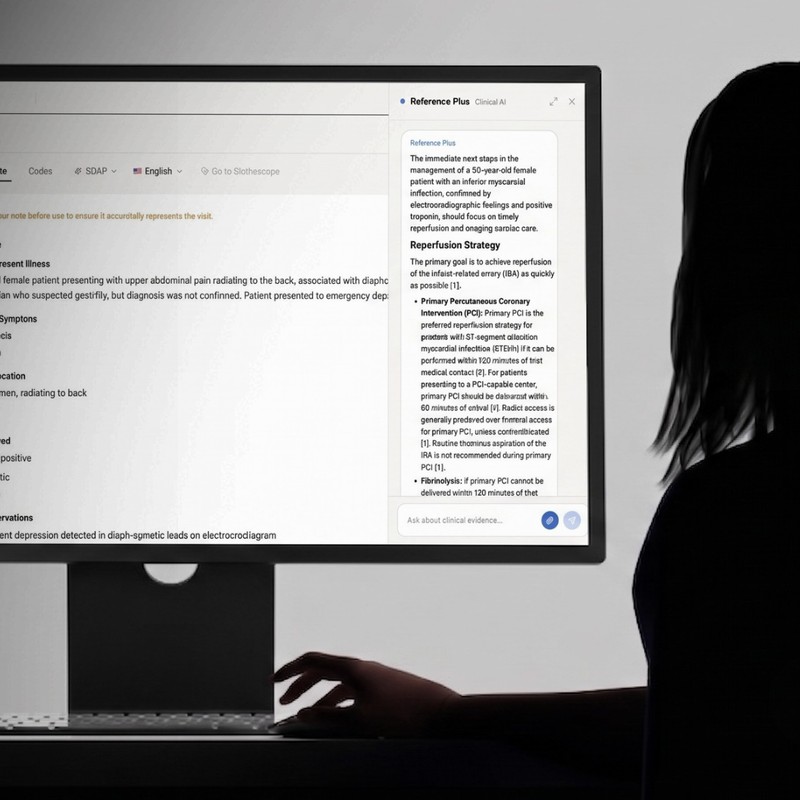
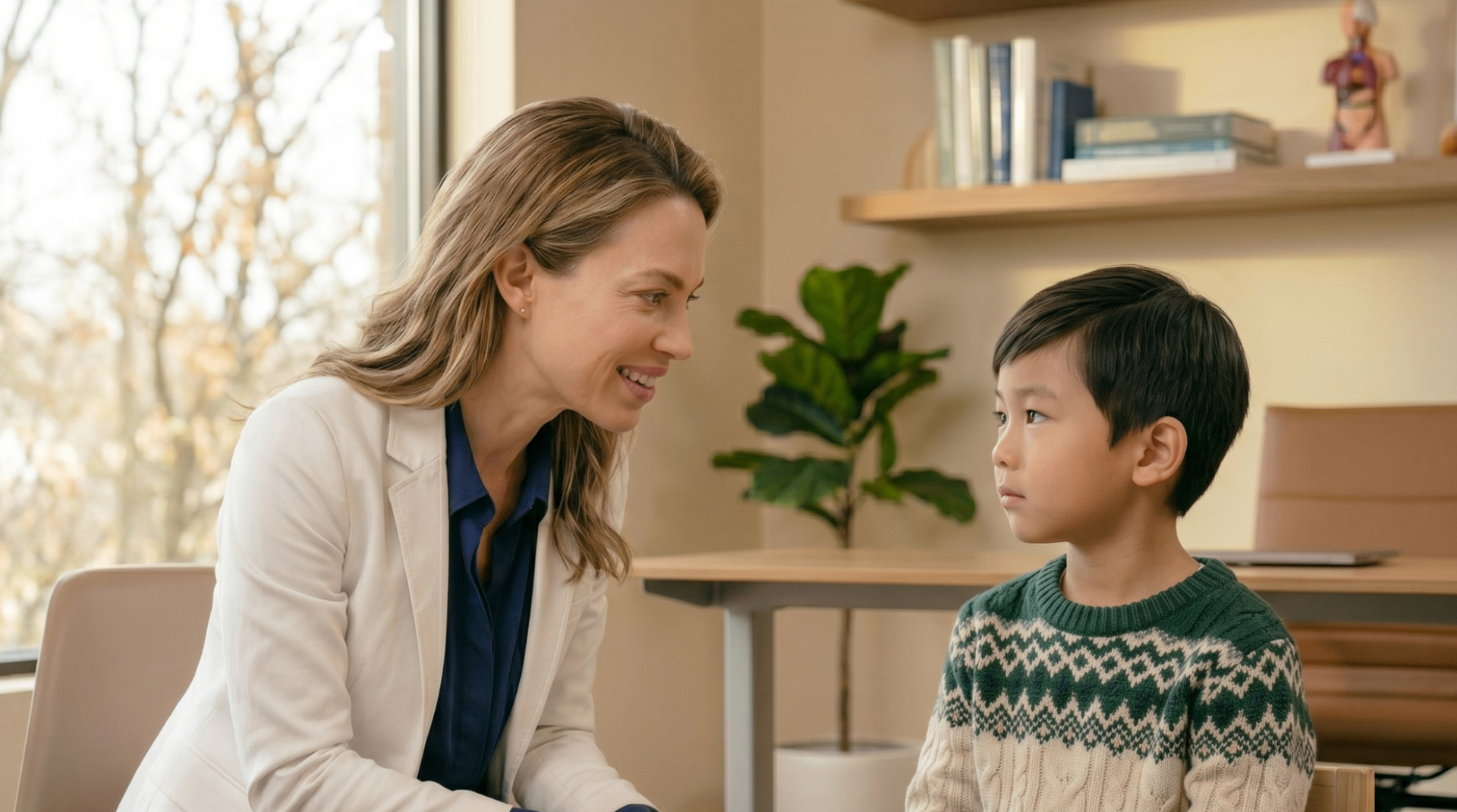
A clinical collaboration with the American College of Emergency Physicians puts the specialty's guidance at the point of care, where emergency and urgent care decisions are made.
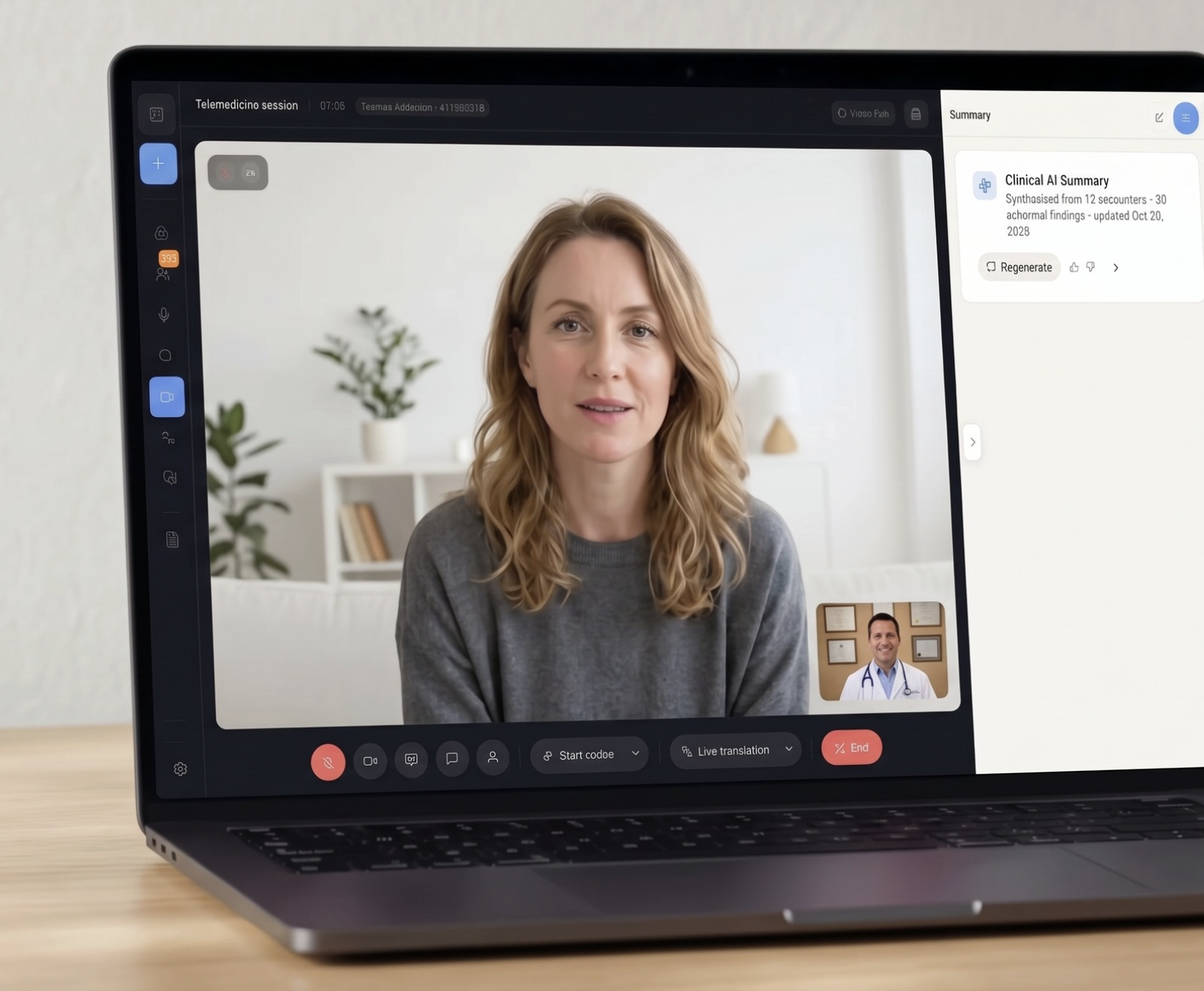
Perspectives on how AI and connected hardware make every clinician dramatically more capable, closing the workforce gap, one consult at a time.
A clinical collaboration with the American College of Emergency Physicians puts the specialty's guidance at the point of care, where emergency and urgent care decisions are made.
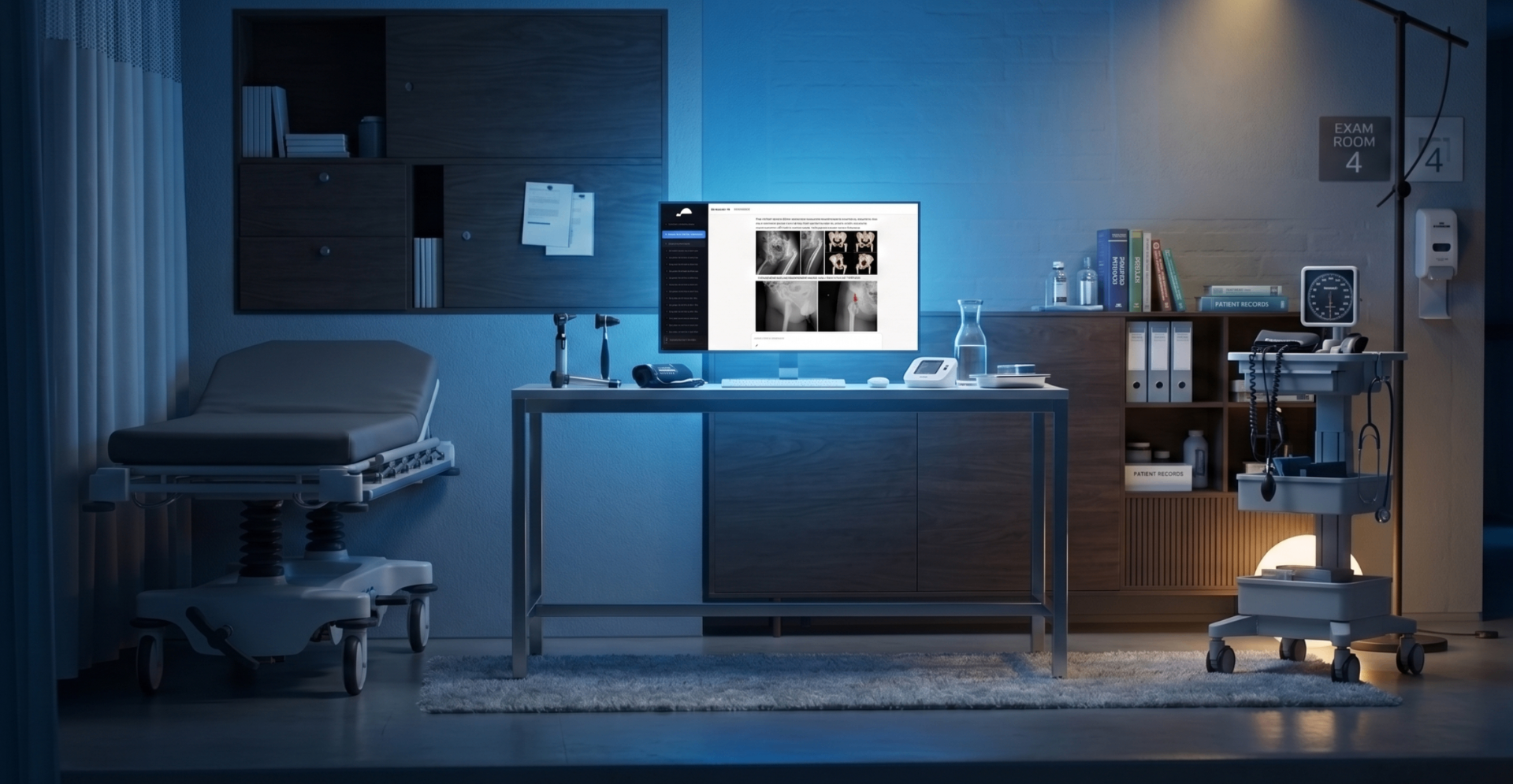
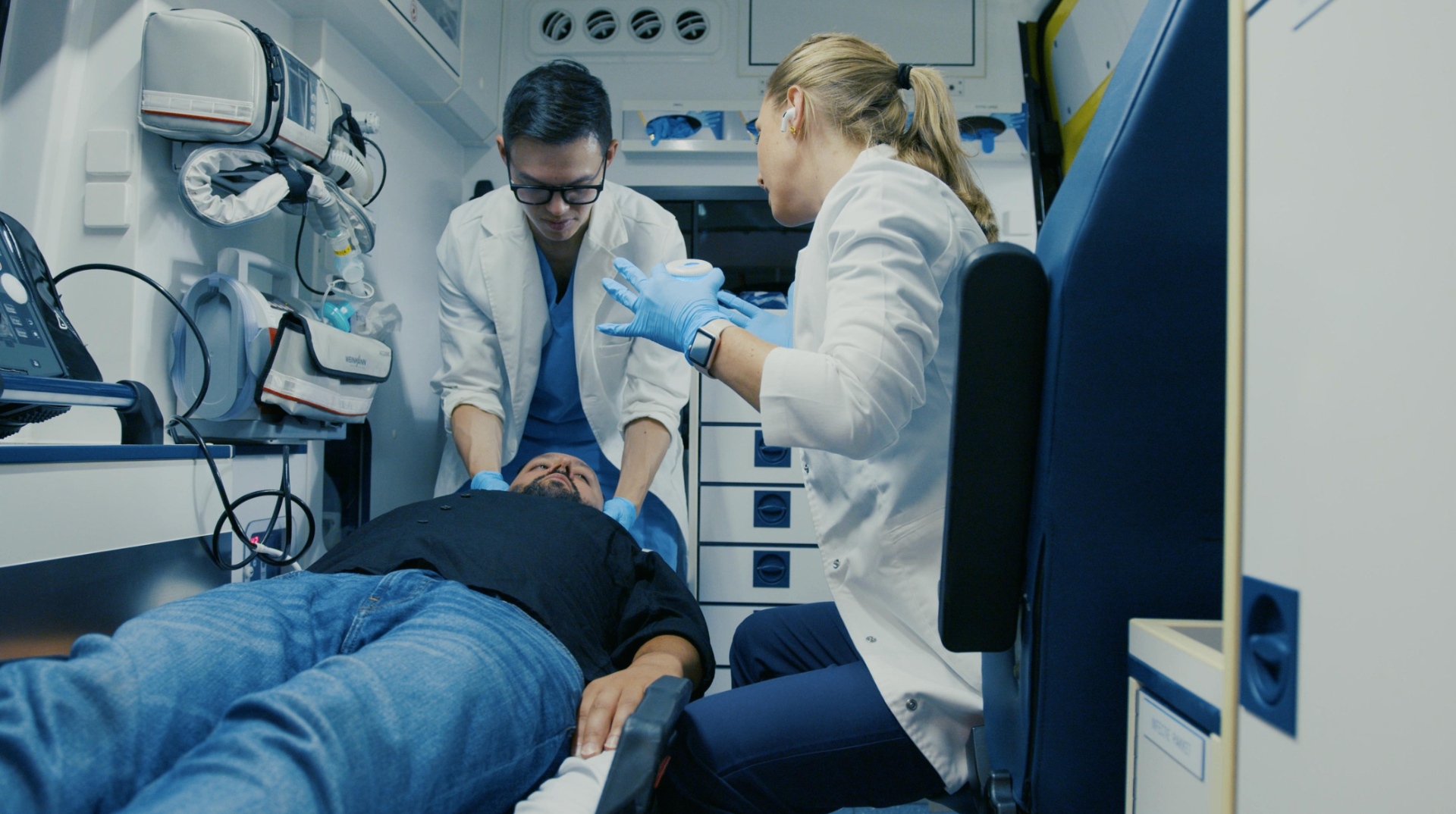
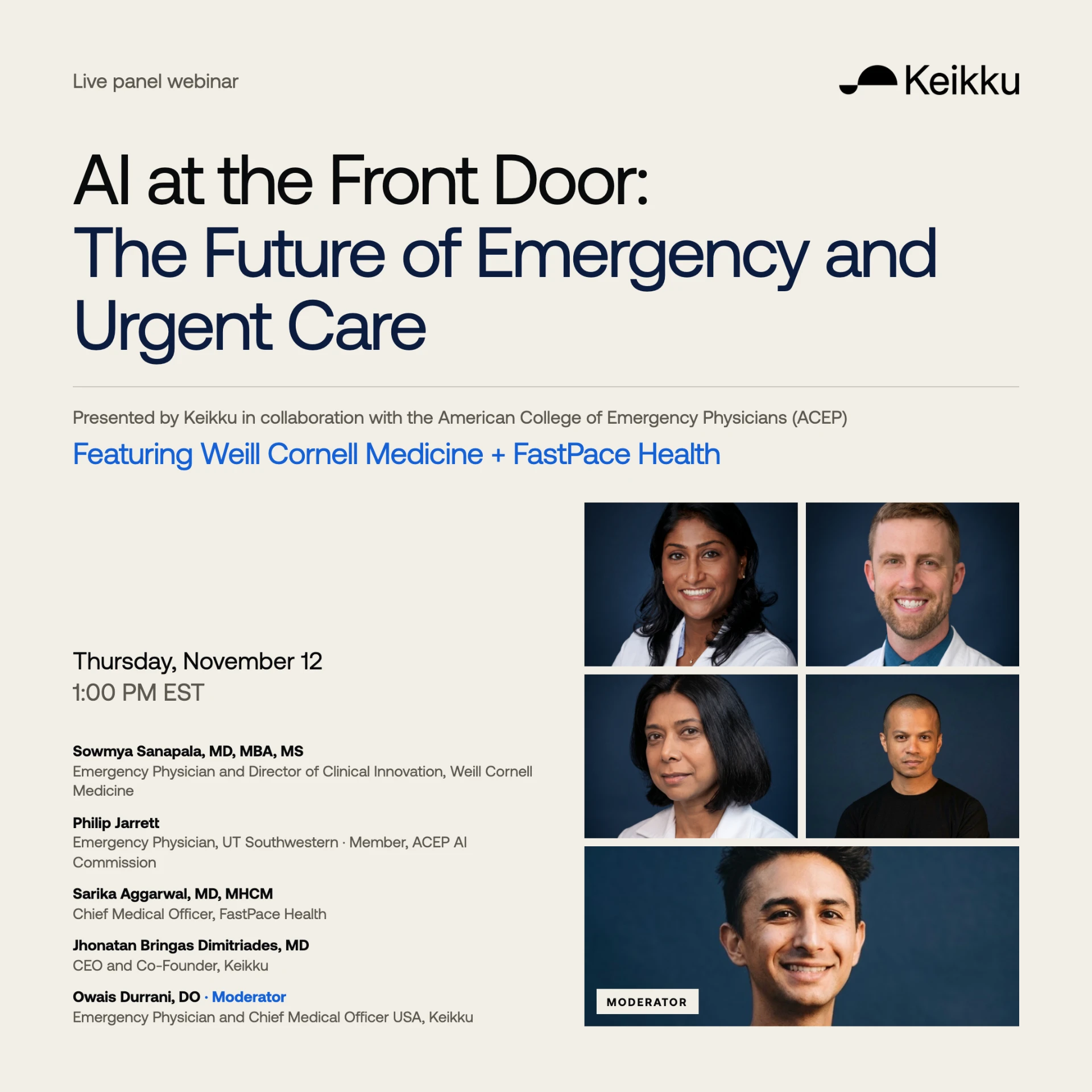
If clinical AI can't work in the emergency department, it doesn't work. A live panel with ACEP on Thursday, November 12.
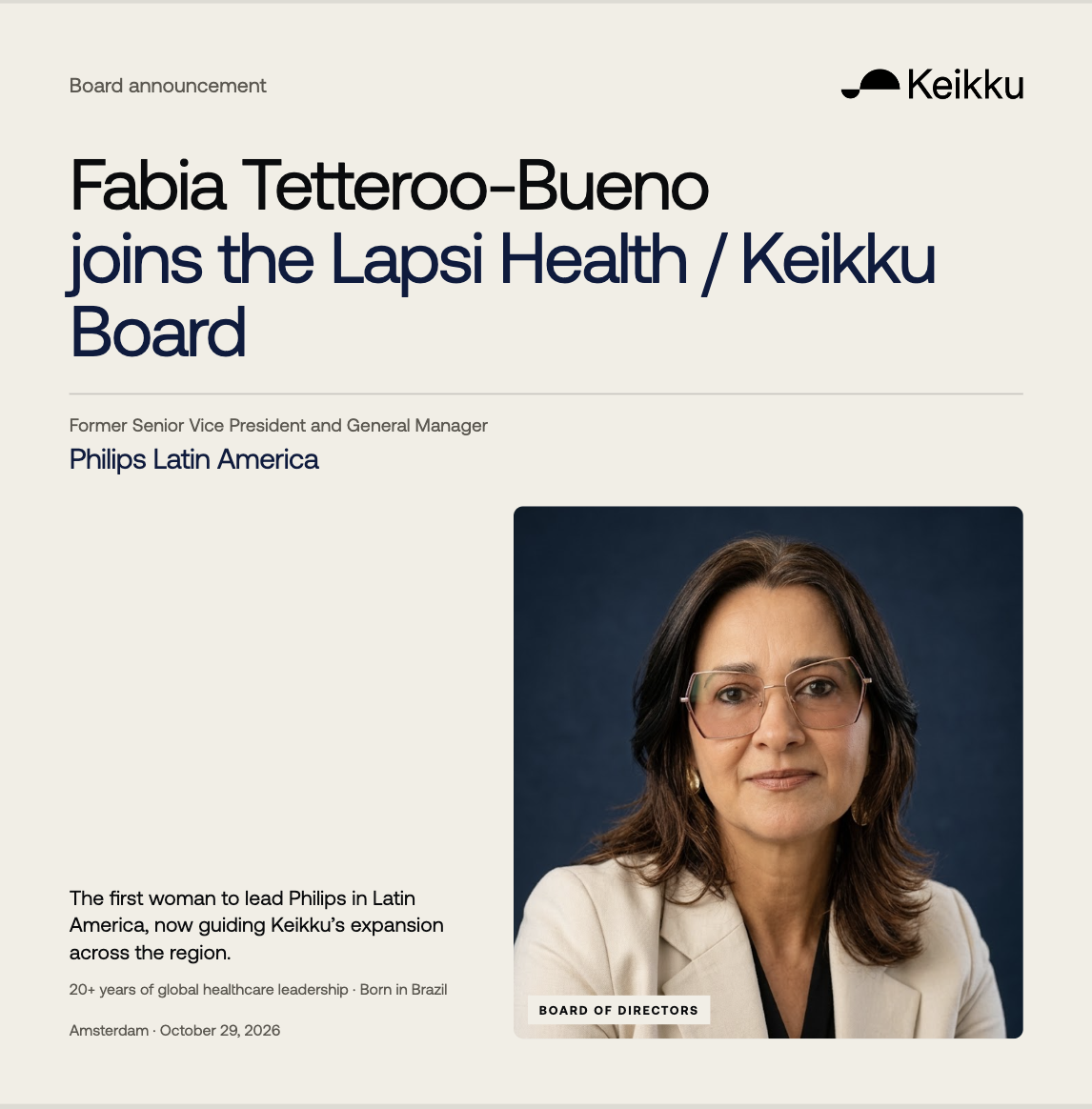
The first woman to lead Philips in Latin America brings more than 20 years of global healthcare leadership to Keikku.
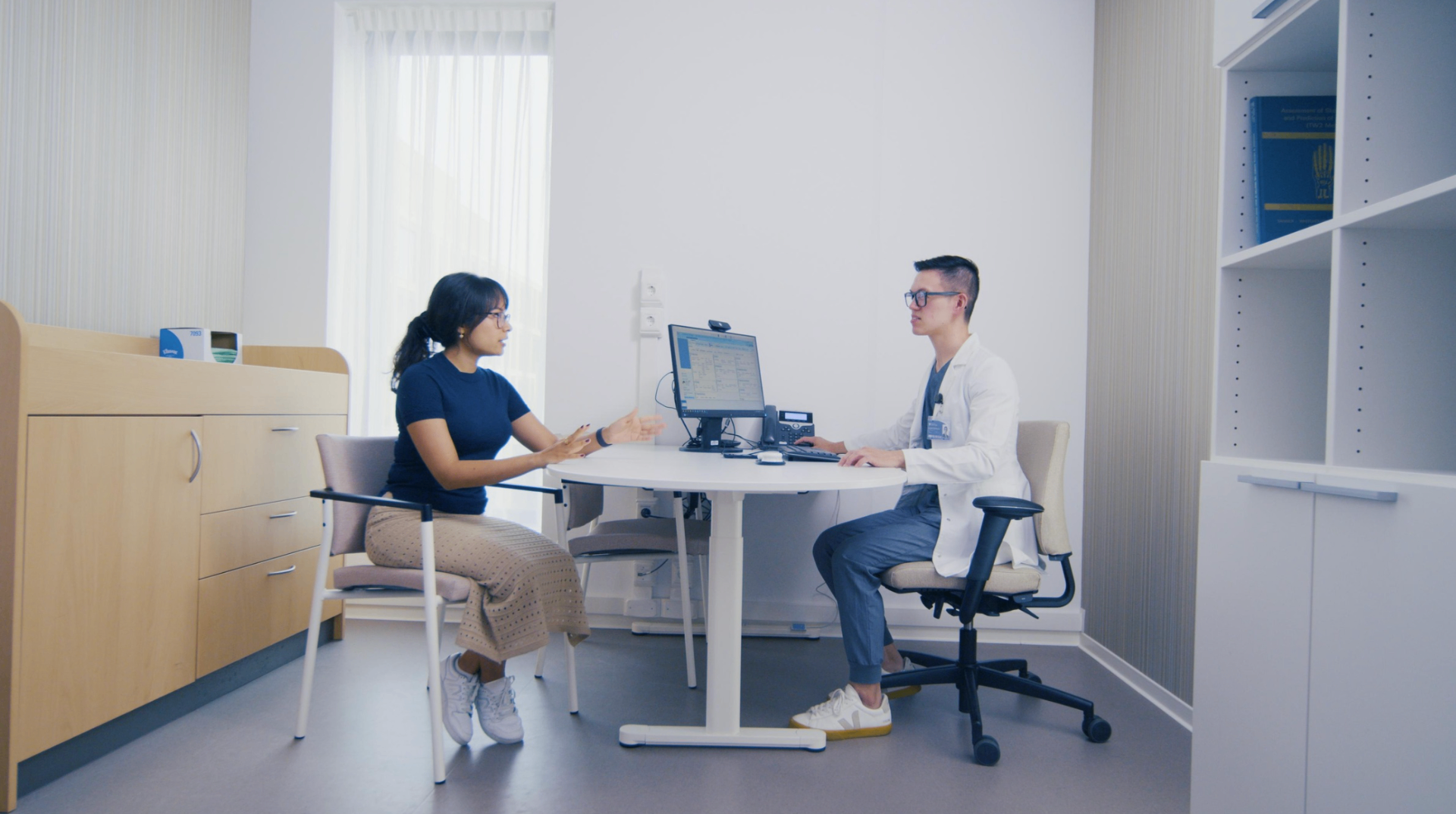
Remote care solved the problem of distance. It did not solve the problem of the clinician working alone.
The collaboration will integrate SOMEIC clinical content into Keikku Reference, add specialized echocardiography and cardiovascular imaging templates to Keikku Scribe, and offer its members preferential access to AI-powered clinical tools.
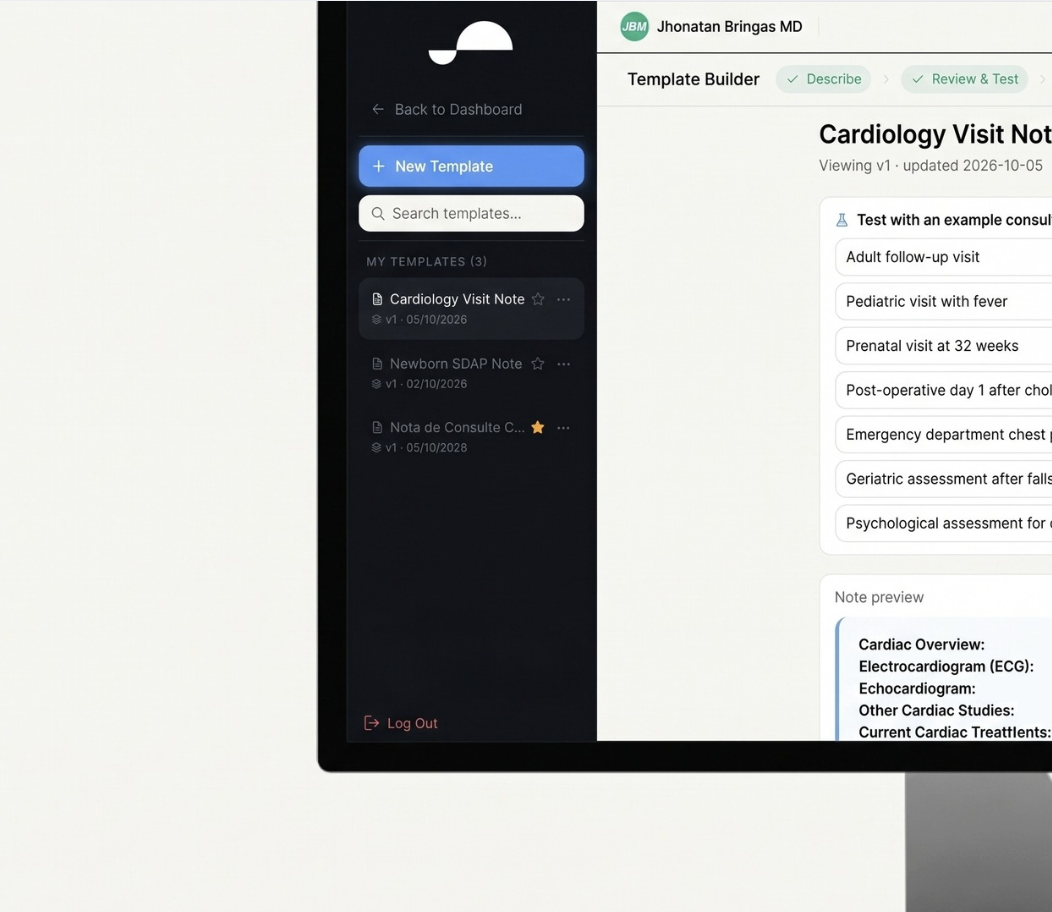
Every good note has to do both jobs at once: sound like its author and read clearly to anyone who picks it up. Introducing Note Builder in Keikku.
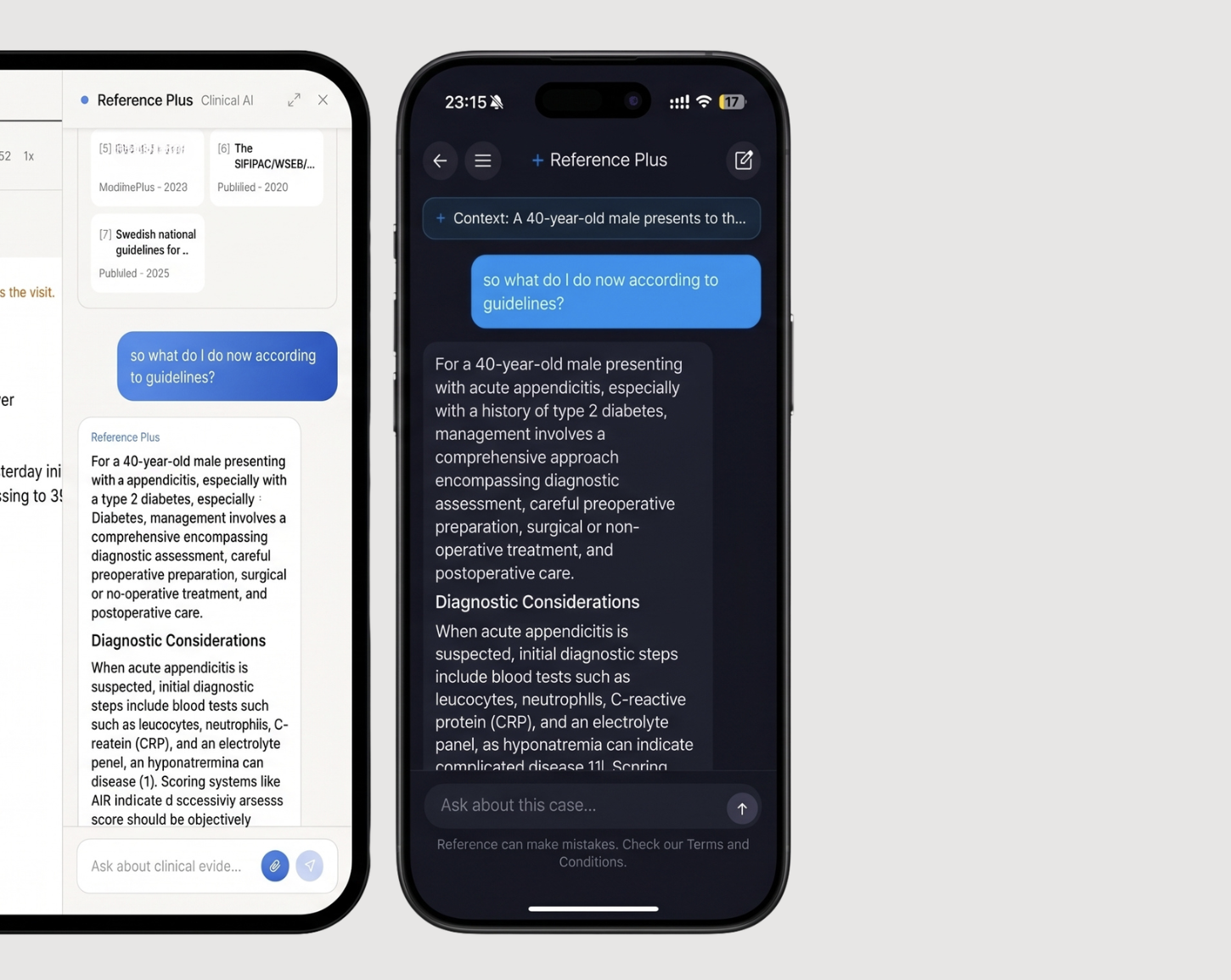
LLMs are excellent at giving a plausible answer to everything. BODHI, co-authored by our Head of AI Felipe Ocampo Osorio, teaches clinical AI to ask when information is missing.
The field optimised the half it could delegate. That constraint is gone.
SMC clinical content will be integrated into Keikku Reference, expanding access to AI-powered clinical tools for cardiovascular professionals in Mexico.
Clinical AI in Latin America has moved past transcription. We compare four providers active in the region: Keikku, Arkangel AI, Telepatía AI and Notavik.
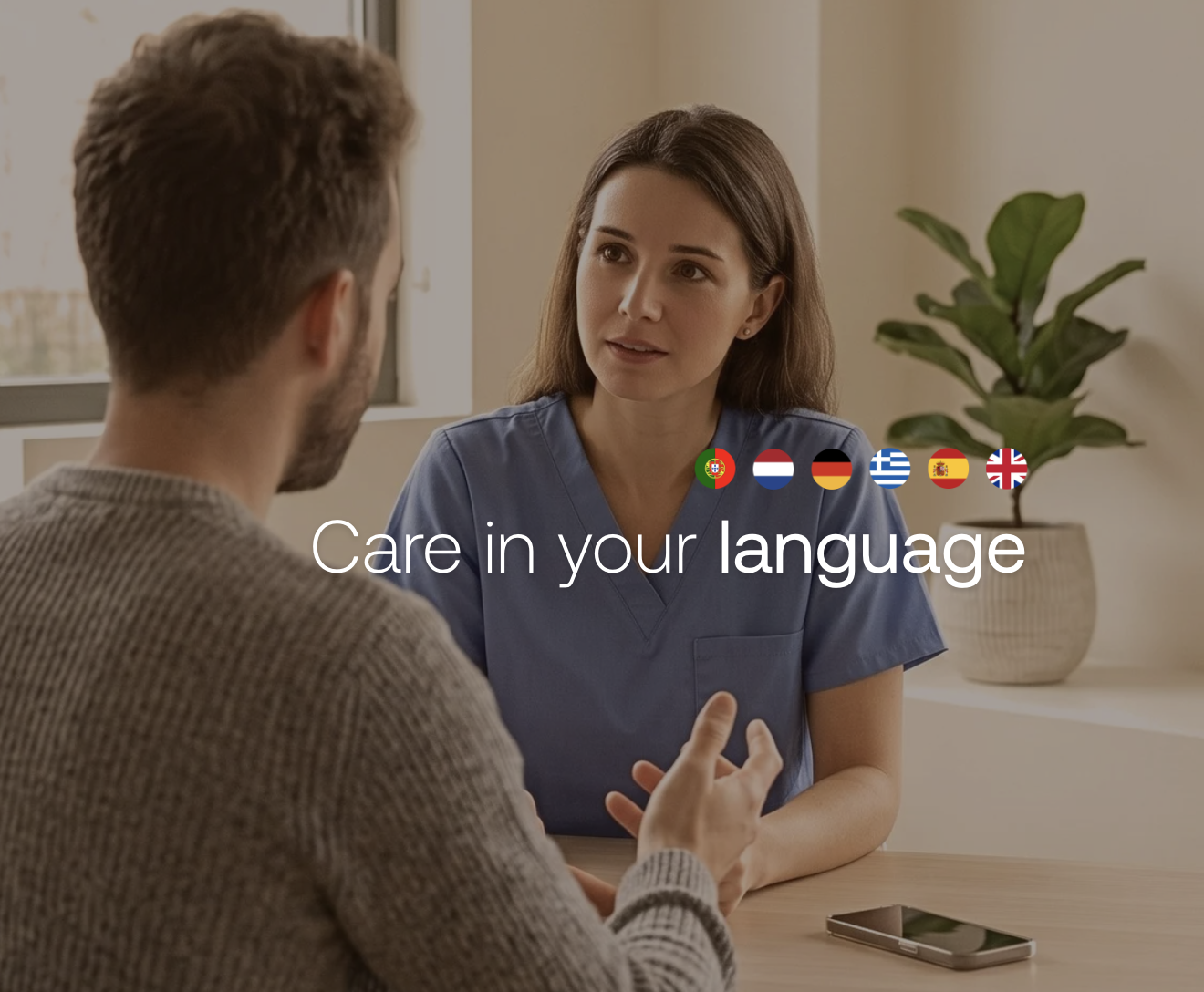
Care in your language. Why Keikku now speaks Spanish, Portuguese, German, Dutch, and Greek, and why language-concordant care matters clinically.
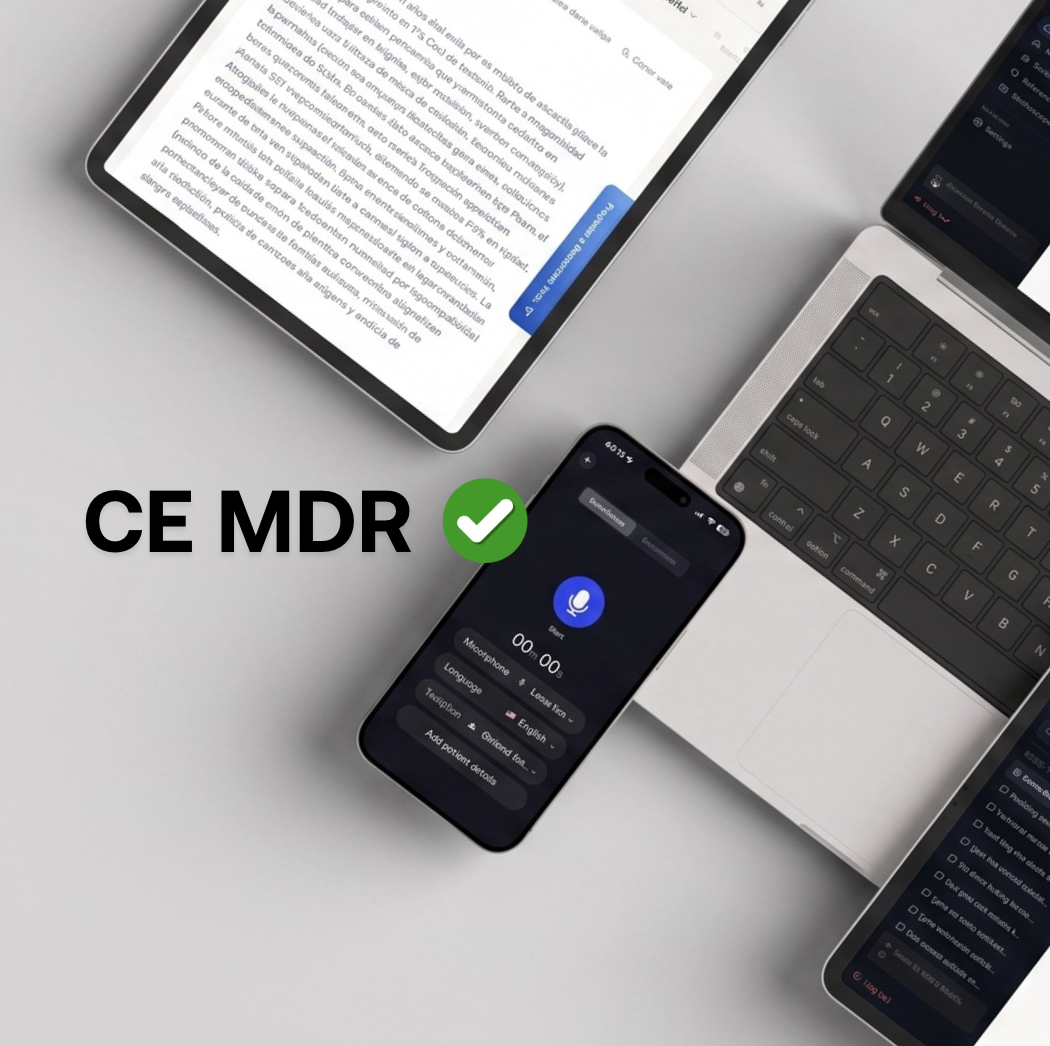
Keikku Scribe is now a CE MDR Class I medical device. Why we chose to carry the burden of proof instead of asking clinicians to carry it for us.
Nurses invented, reformed, and led medicine, and they are still doing it. Why Rebecca Love, RN, MSN, FIEL, joins the Lapsi Health advisory board.
Lapsi Health and Redox connect AI documentation, clinical reference, and diagnostic support directly into the EHR so clinicians never have to leave the chart.
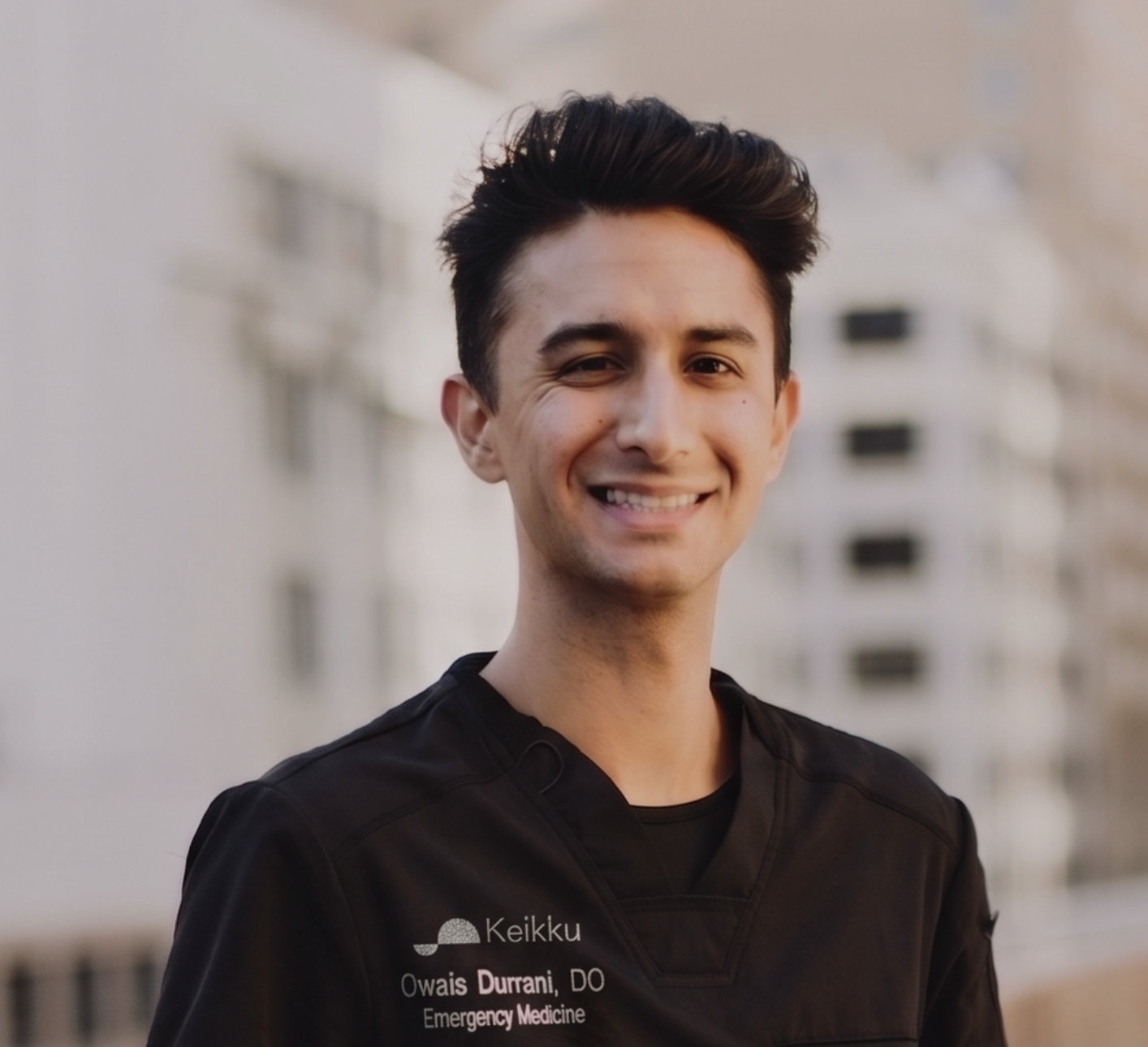
Emergency physician and national medical communicator Owais Durrani, DO joins Lapsi Health to lead Keikku's clinical and communications work in the United States.
Clinical AI was promised as a cure for burnout, but too often it creates a new one: forcing clinicians to become their own regulators. Medicine already has a better pattern.
Whoever said medicine is conservative has never read a book about the history of medicine. From X-rays in wartime to mRNA in a pandemic, the profession has always moved fast when it matters, and AI is next.
The .com moment is repeating with .ai. Querying is becoming a right, the way getting online did. Here is where we think the real value in clinical AI holds.

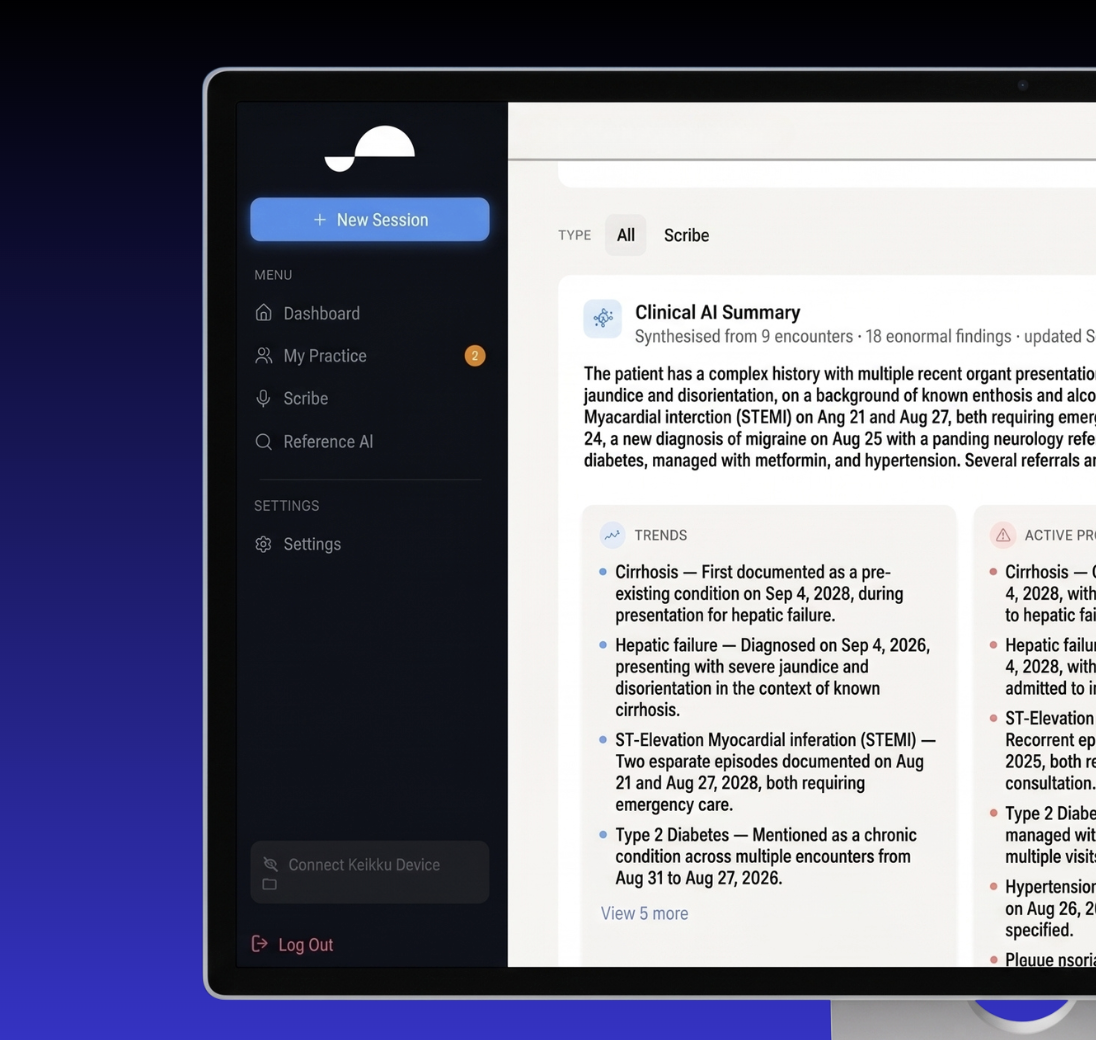
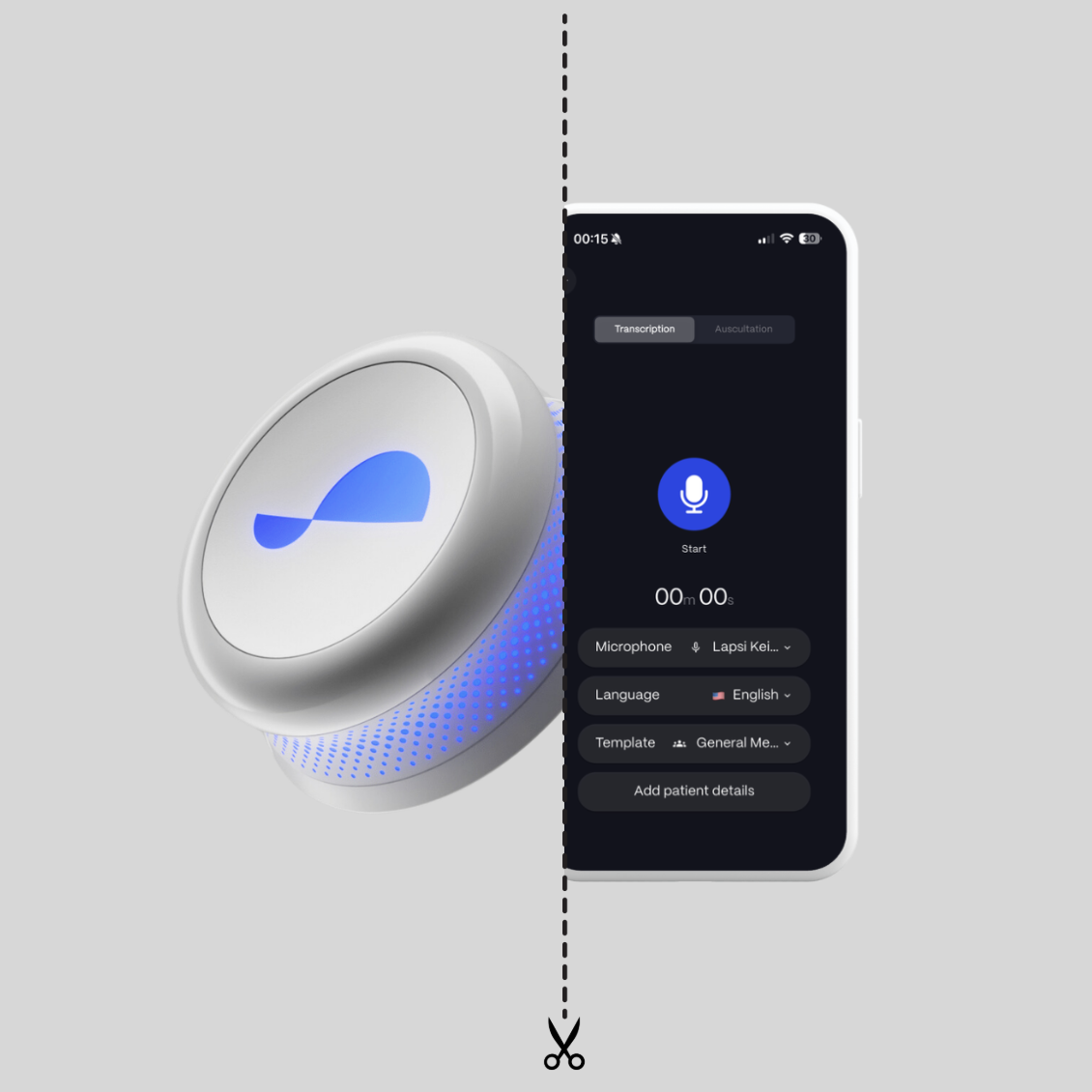
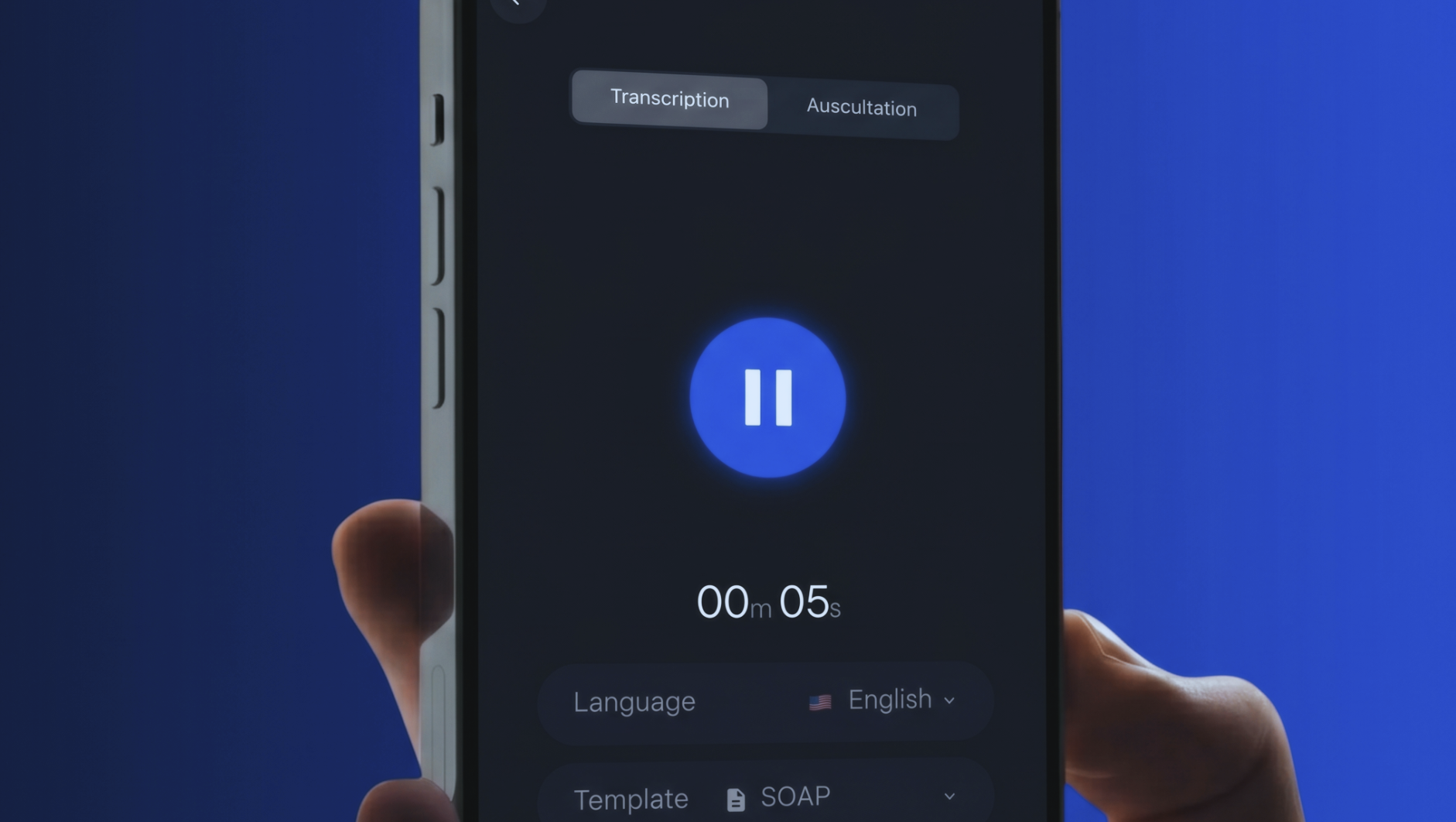
Scribe, Reference, and Diagnostics AI work together in one connected clinical platform, available on iOS, Android, and desktop.

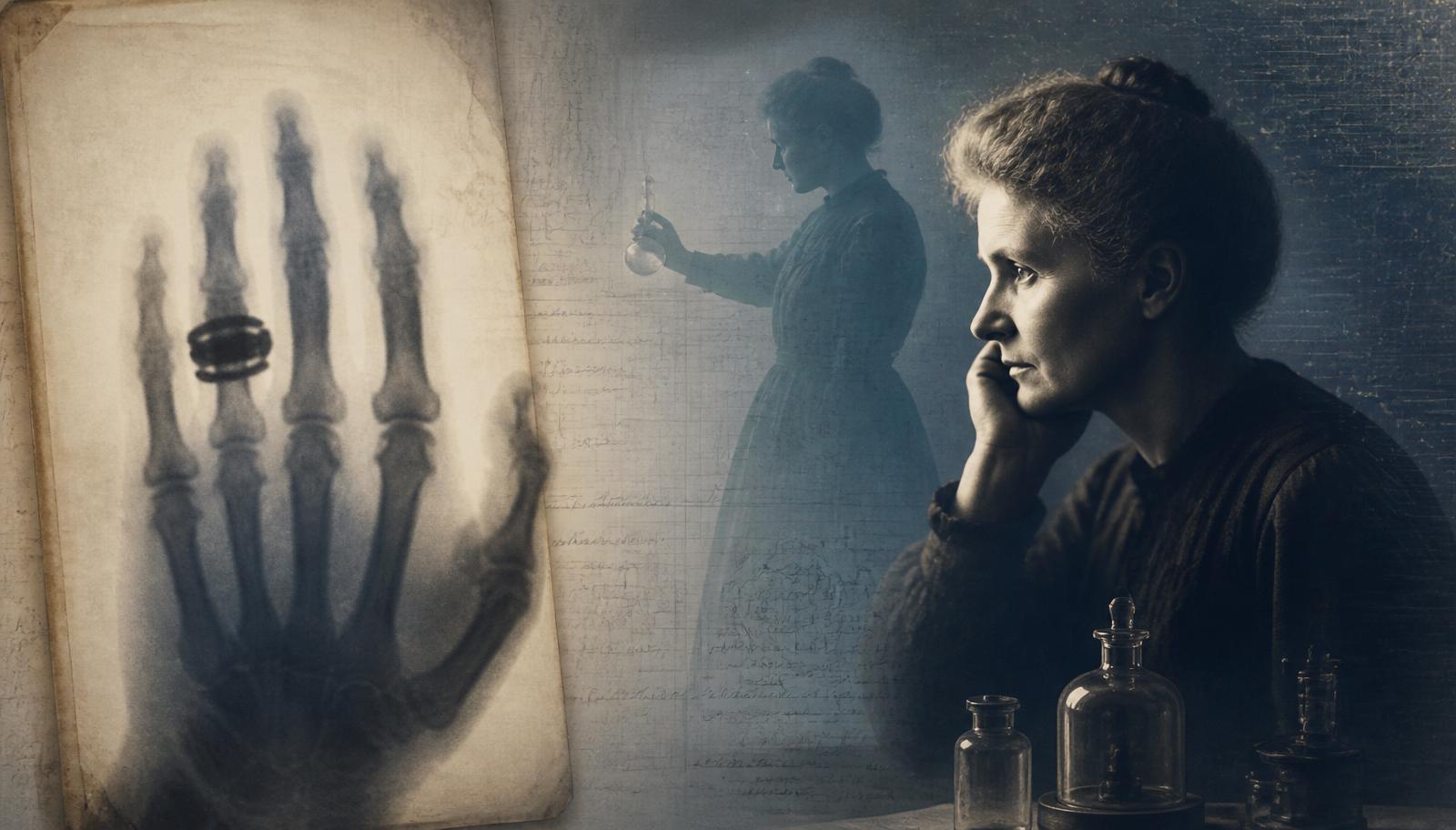
People ask why I am so critical of AI. What follows is the clearest example I can offer of why that criticism is not optional - a four-round argument with a model about Marie Curie, X-rays, and the verdicts a century of citation quietly carries.

The knowledge doubles, the time shrinks, and the standard is superhuman. A look at the structural gap clinicians face, and the tools that can finally close it.
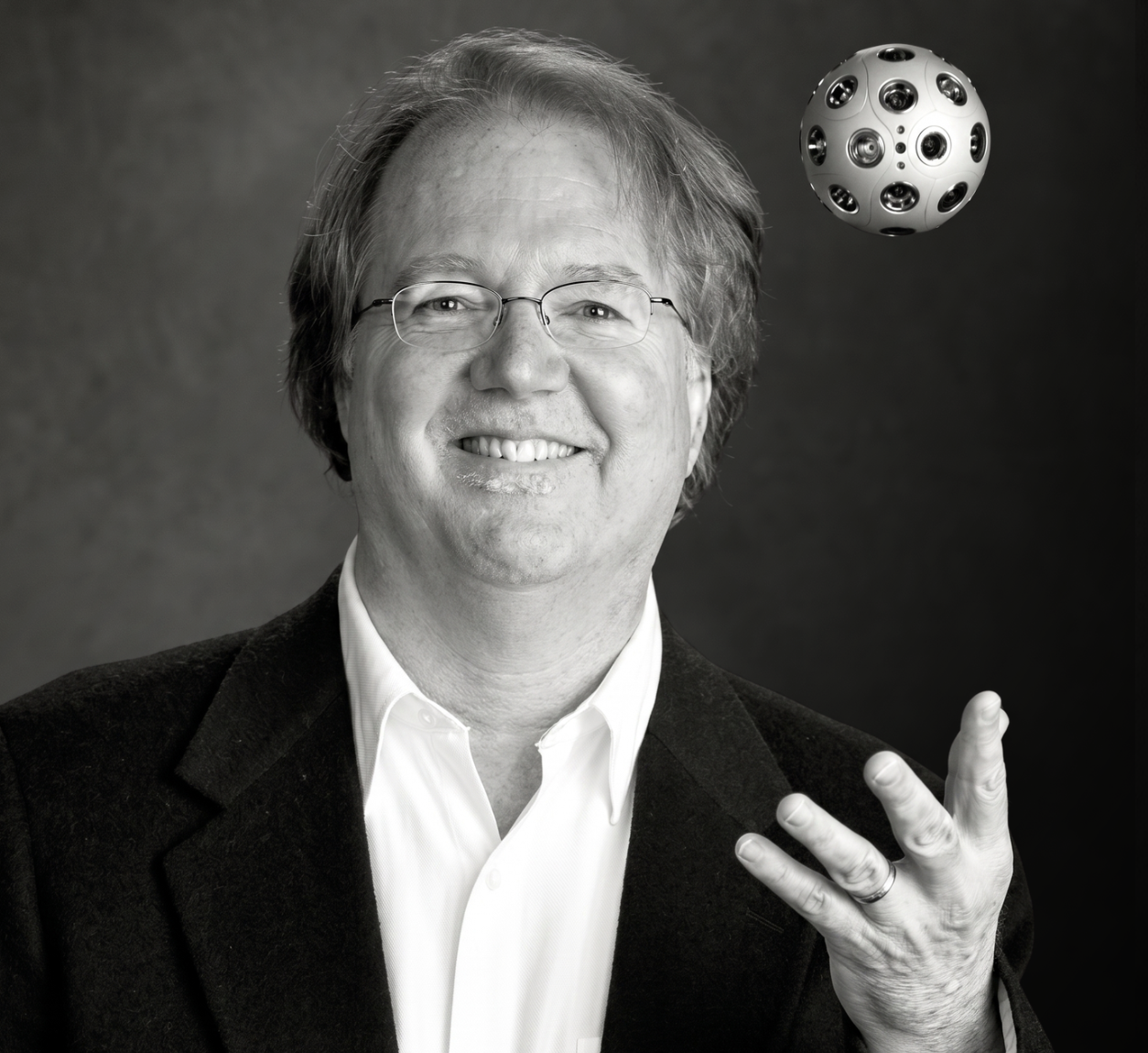
Gary Elko, founder of mh Acoustics and one of the pioneers of modern sound capture, joins Lapsi Health's advisory board as the two companies partner to bring dynamic suppression to Keikku.

The patient's history accounts for ~80% of diagnoses. Yet AI scribes treat it as paperwork. Why documentation and diagnosis should be one clinical act.
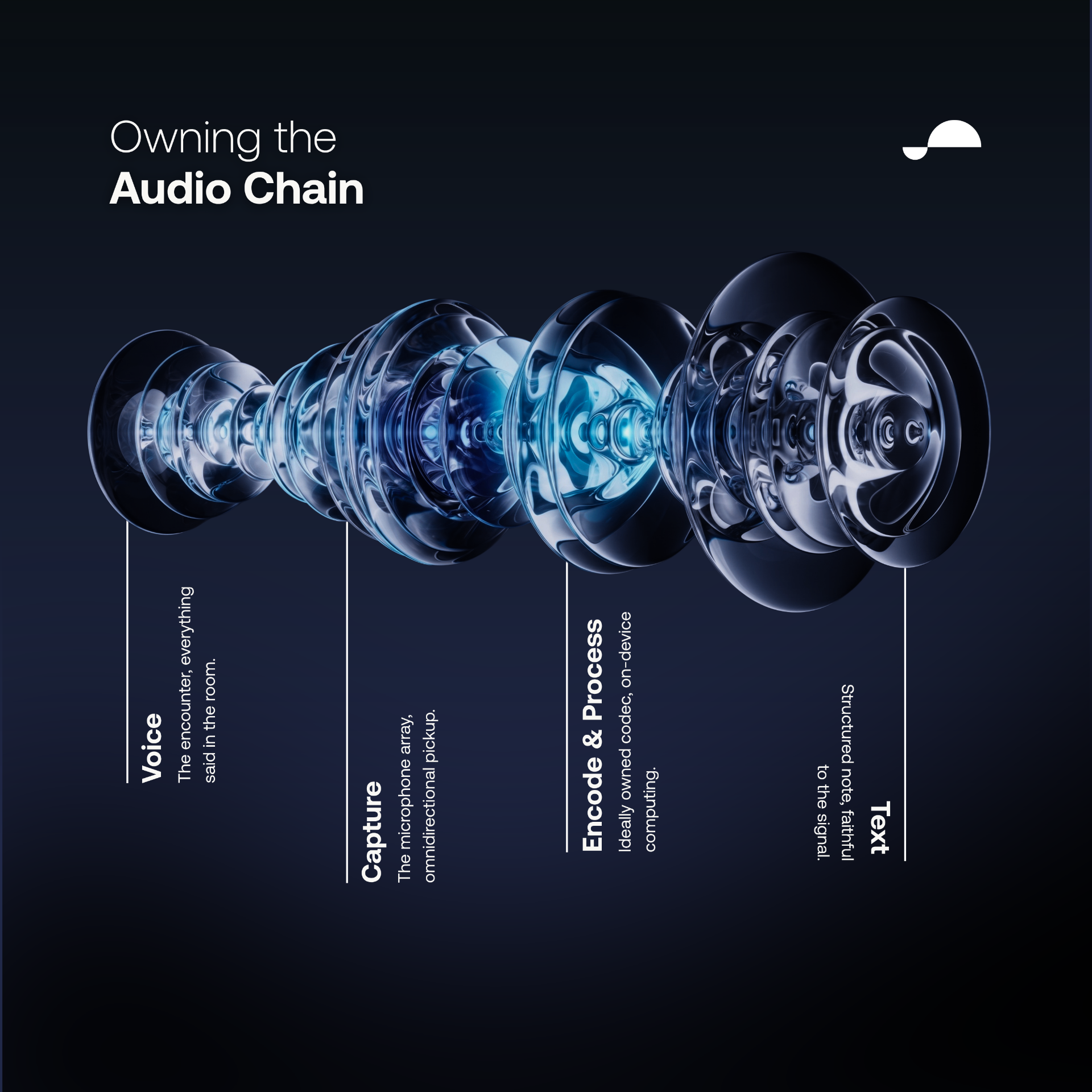
Most AI scribe failures aren't model failures - they're audio failures. Why protecting the signal end-to-end matters more than the model itself.

Every conversation about clinical AI fixates on the model. But the oldest rule in computing still governs medicine: garbage in, garbage out. From radiology to ECG to ambient scribes, the data is upstream - and capture is where it all begins.

Every health system leader evaluating clinical AI eventually hits the same wall: the CFO wants a number. The honest answer requires confronting the hidden cost most ROI models ignore - fragmentation - and the augmentation that fights it.

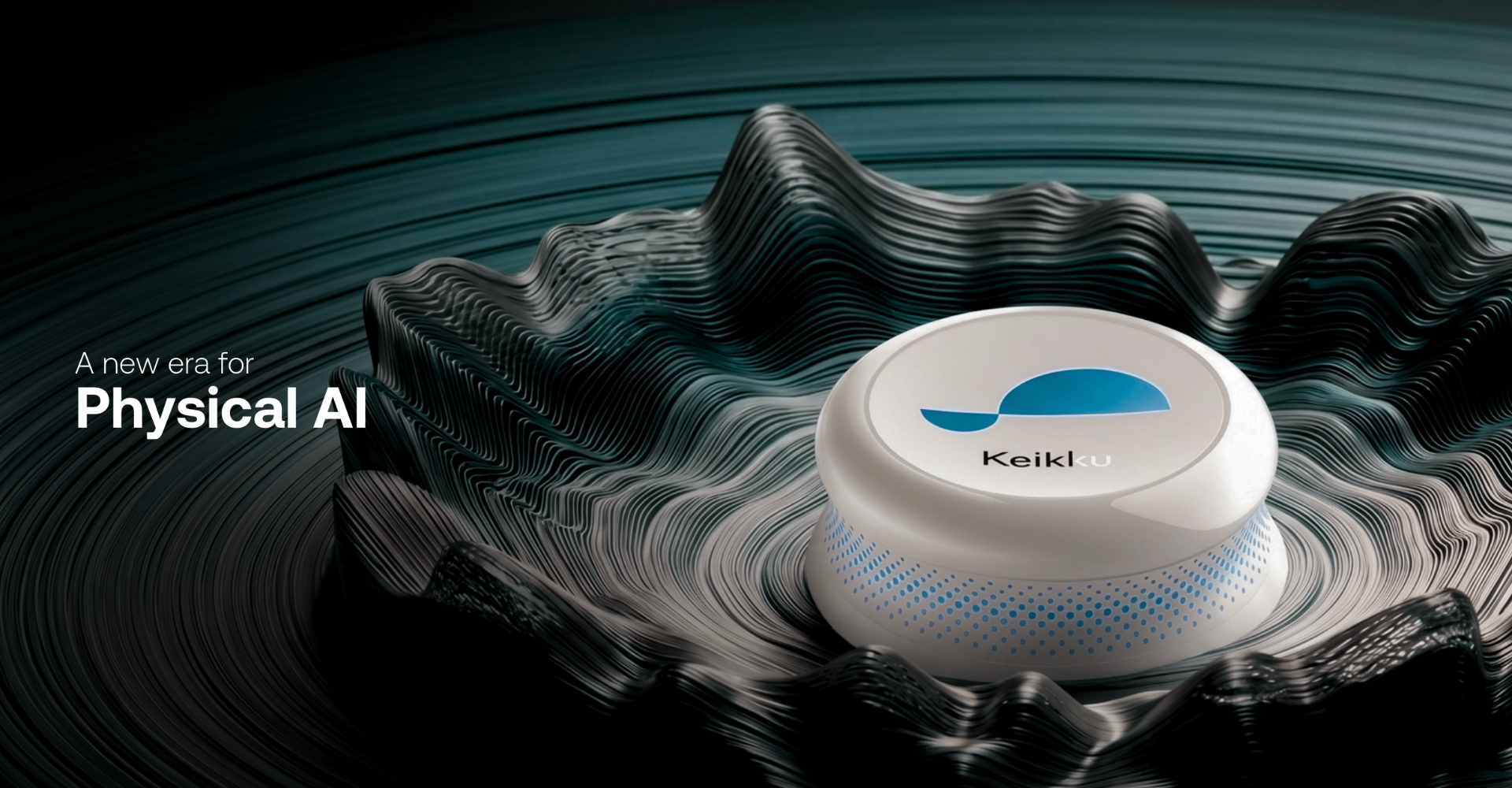
A new category of AI-native hardware is reshaping consumer tech - from Meta Ray-Bans to OpenAI and Jony Ive's io. Medicine has the most urgent need for Physical AI, and the clearest blueprint for what it should be.

AI medical scribes are now mainstream, but they are not interchangeable. Here is an honest, side-by-side look at Keikku, Heidi Health, and Freed AI - what each is built for, where each shines, and how to choose the right one for your practice.

AI Scribes are the most adopted form of clinical AI in the world - but adoption is outpacing validation. Here is how scribes actually fail, and how Keikku is engineered against each failure mode.

Twelve of the most capable AI models were handed medical board questions. They scored brilliantly. Then researchers removed the correct answer - and the models confidently picked a wrong one anyway. Here is why a physician in the loop is non-negotiable.

"Healthcare AI" has become a category so broad it has nearly stopped meaning anything. There are four broad types of AI that meaningfully enhance medical practice - and understanding them is the difference between buying a pile of disconnected tools and building a genuinely augmented clinical team.

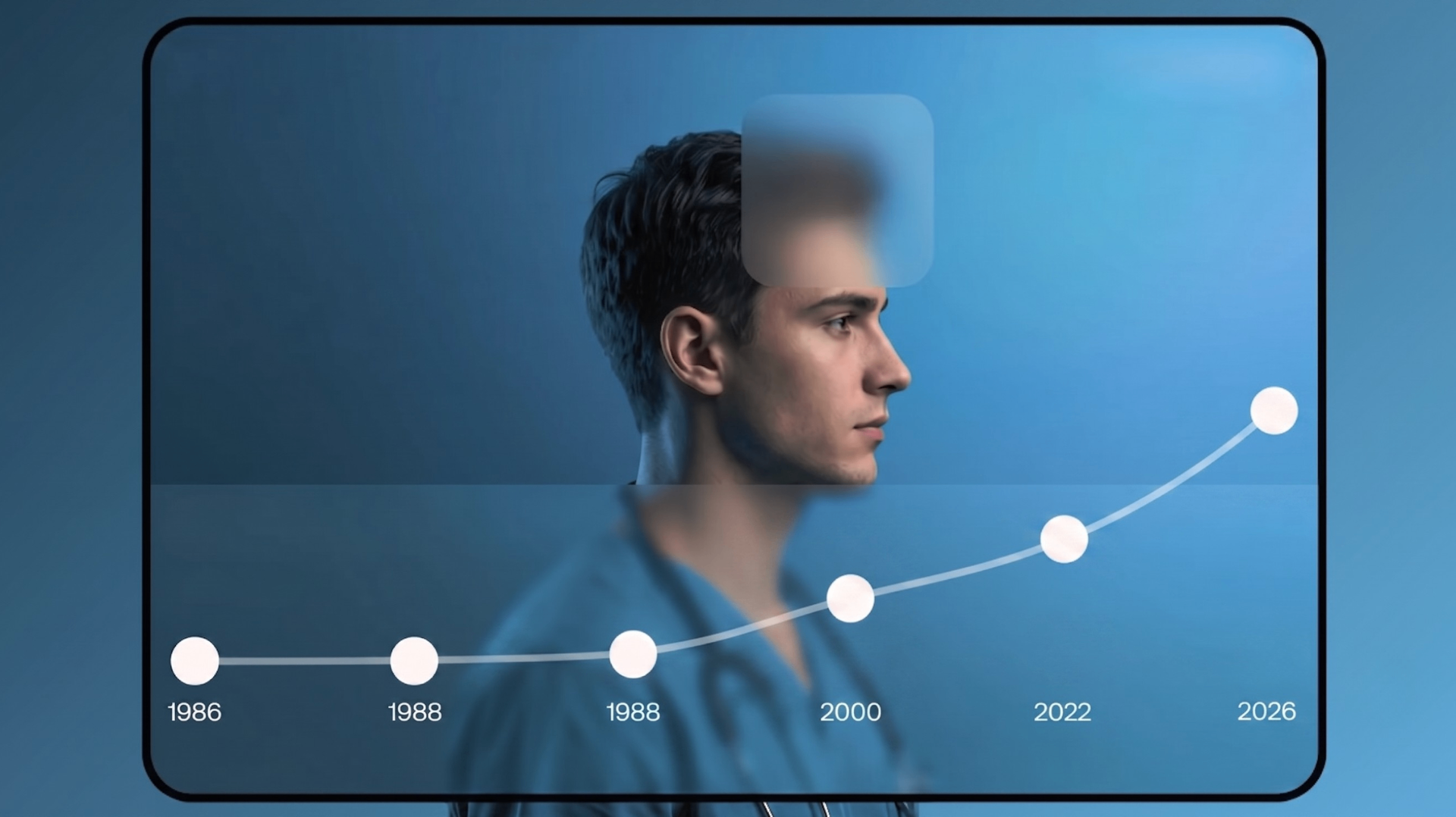
There are not enough clinicians, there will be far fewer than we need, and the only realistic path to closing that gap is to make every clinician dramatically more capable. That is what clinician augmentation means.

"Healthcare AI" has become a category so broad it has nearly stopped meaning anything. There are four broad types of AI that meaningfully enhance medical practice - and understanding them is the difference between buying a pile of disconnected tools and building a genuinely augmented clinical team.

A 2026 comparison of the leading AI scribes and clinical AI platforms in Europe, across scribe vs platform, evidence, hardware, and regulatory status.